Wood fence maintenance is especially important in Florida, where strong sun, humidity, heavy rain, and storms wear down exposed wood. Regular care helps prevent rot, fading, loose boards, and other damage that can shorten your fence’s life.
Foremost Fence installs and services wood fences throughout Sarasota and surrounding communities, giving our team firsthand experience with how Florida weather affects fencing. Use these practical maintenance tips to keep your wood fence strong, functional, and looking its best.
At a Glance: Wood Fence Maintenance Tips
- Clean your fence annually to remove dirt, mildew, algae, and buildup.
- Inspect for rot and damage around posts, boards, rails, gates, and hardware.
- Seal or stain as needed to protect the wood from moisture and UV exposure.
- Prepare for storm season by checking for loose or unstable fence sections.
Why Florida’s Climate Makes Wood Fence Maintenance Non-Negotiable
Florida’s combination of moisture, intense sun, coastal air, and severe weather makes regular maintenance especially important for homeowners with wooden fencing in Sarasota and other Gulf Coast communities.
Humidity, Rain, and Wood Rot
Frequent rain and high humidity expose wood to repeated moisture, which causes it to swell, shrink, crack, and eventually rot. Pay close attention to post bases and rail ends, where moisture collects or enters exposed end grain.
UV Damage and Heat Cycling
Florida’s strong UV exposure can break down wood fibers, causing fences to gray, dry out, and develop small surface cracks. Repeated heating and cooling can also cause the wood to expand and contract, gradually opening gaps and loosening connections.
Salt Air Corrosion Near the Gulf
Salt in coastal air speeds up corrosion on fence nails, screws, hinges, and other metal components. Stainless steel or hot-dip galvanized fasteners provide better corrosion resistance for wood fences in coastal areas.
Hurricane and Tropical Storms
High winds and heavy rain add stress to posts, rails, gates, and already weakened fence sections. Checking for loose connections, damaged boards, and unstable posts before storm season helps you address weak spots early.
Annual Wood Fence Maintenance Schedule for Florida
Florida’s dry and wet seasons create a natural schedule for wood fence maintenance. Use these four steps year-round to clean, protect, and inspect your fence for problems.
Step 1 — Clean Your Fence Before the Wet Season
April is a good time to rinse away debris, apply a wood-safe cleaner or oxygen bleach solution, scrub problem areas, and rinse thoroughly. Let the fence dry for 48–72 hours before applying stain or sealer, and avoid high-pressure washing that can damage the wood.
Step 2 — Inspect for Damage and Rot
Check post bases for soft or rotting wood, then inspect boards, rails, hinges, latches, and fasteners for cracks, warping, looseness, or rust. If you find significant damage, schedule professional wood fence repair to address the issue.
Step 3 — Seal or Stain the Wood
Apply a penetrating wood fence sealer with water-repellent and UV-resistant properties once the fence is clean and dry. Semi-transparent stains also add pigment that helps protect wood from UV exposure. Always follow the product manufacturer’s instructions for application and recoating.
Step 4 — Prepare for Hurricane Season
Before Florida’s June 1–November 30 hurricane season, check posts, rails, gates, and connections for loose or unstable areas. Address weak sections before severe weather, then inspect the fence afterward for shifted posts, loose boards, and other storm damage.
Common Wood Fence Maintenance Mistakes Florida Homeowners Make
Even routine maintenance can damage a wood fence if done incorrectly. Avoid these common mistakes to help your fence hold up better in Florida’s climate.
Mistakes That Shorten Fence Life
- Skipping sealing: Leaving wood unprotected exposes it to Florida’s sun and moisture.
- Using chlorine bleach: Harsh bleach can damage wood fibers and cause uneven discoloration.
- Pressure washing too aggressively: High pressure can raise the grain, splinter boards, and damage the surface.
- Ignoring post bases: Check where posts meet the ground for softness, movement, or visible rot.
- Sealing damp wood: Let the fence dry fully and follow the sealer manufacturer’s moisture requirements before application.
The Wood vs. Vinyl Maintenance Comparison (Setting Realistic Expectations)
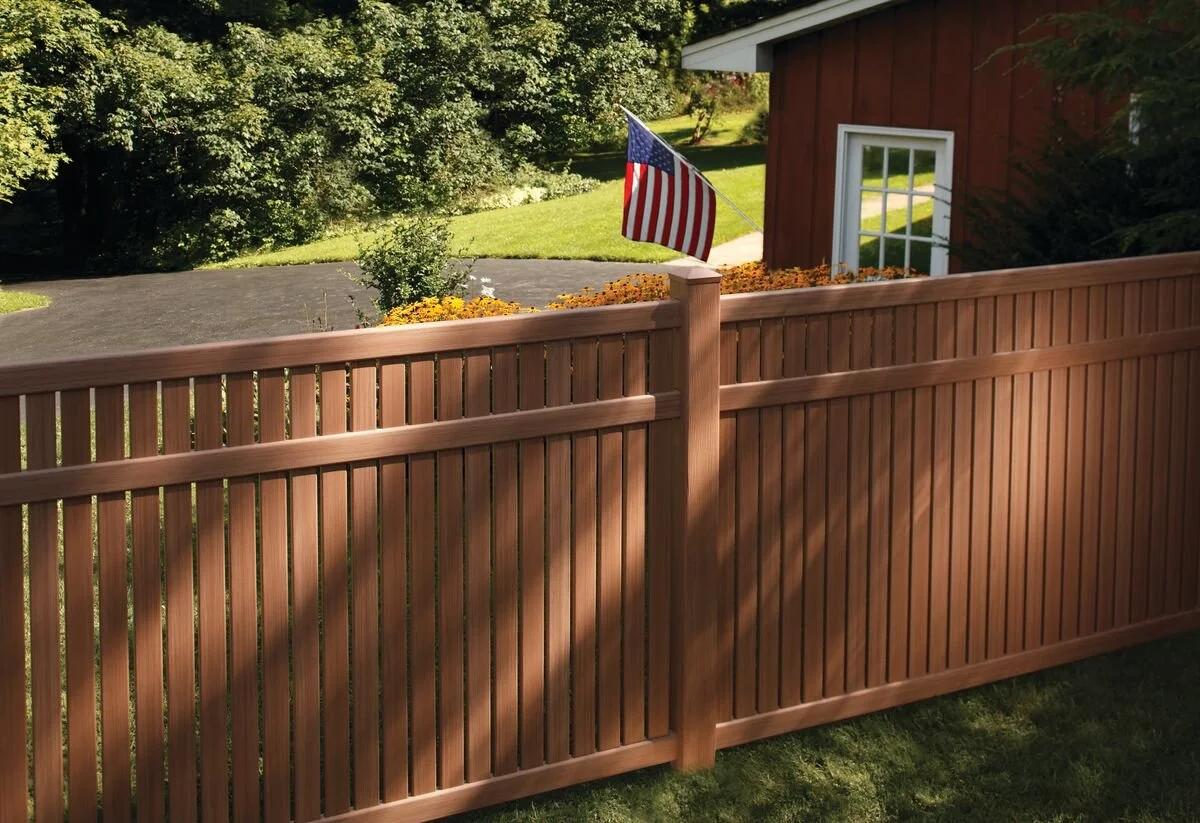
When comparing fence maintenance for wood vs. vinyl, wood requires more ongoing care. It needs regular cleaning and periodic staining or sealing, but you can often replace damaged boards without replacing an entire section. Low-maintenance wood fence options, such as pressure-treated wood, can reduce some upkeep, but all wood fencing still needs routine care in Florida.
Vinyl does not require staining or sealing and will not rot like wood, making routine upkeep simpler. Homeowners who prefer less ongoing maintenance can compare available vinyl options before choosing their fencing material.
Is Wood Still Worth It? Low-Maintenance Wood Fence Strategies
Yes. Choosing the right materials and fence design reduces upkeep and preserves the natural look that makes wood fencing popular.
Choose the Right Wood for Florida
- Pressure-treated pine: Affordable and treated to resist rot and insects, making it a practical choice for Florida fencing.
- Cedar: Naturally resistant to decay but still needs protection from Florida’s strong sun and moisture.
- Redwood: Naturally decay-resistant but typically more expensive and less common in Florida.
Choose a Design That Reduces Maintenance
Small design choices can help keep wood drier and reduce common maintenance problems:
- Kickboards: Keep the main fence boards away from wet soil and ground contact.
- Post caps: Help shed rainwater away from exposed post tops.
- Properly installed posts: Provide stability and help prevent shifting in Florida soil.
- Board spacing: Allows airflow between boards so moisture can dry more easily.
Frequently Asked Questions About Wood Fence Maintenance
How often should I seal my wood fence in Florida?
Check your fence yearly and reseal when the finish begins to wear or stops repelling water. Florida’s sun and moisture wear finishes faster.
What is the best wood fence sealer for humid climates?
Choose a penetrating wood fence sealer with water-repellent and UV-resistant properties. Semi-transparent stains provide added UV protection.
How do I know if my wood fence post needs to be replaced?
Soft wood, visible rot, cracking, or movement at the base indicate a failing post. A fencing professional can determine whether repair or replacement is best.
Is wood or vinyl fencing lower maintenance in Florida?
Vinyl generally requires less upkeep, while wood needs regular cleaning and periodic sealing. Both are popular residential fencing options depending on your preferred look and maintenance needs.
How do I protect my wood fence during hurricane season?
Before hurricane season, check for loose boards, weak connections, and unstable posts. After severe weather, inspect the fence again for shifting or damage.